About

Our Commitment

At Chembe Agriculture, we are committed to helping livestock producers and agricultural organizations make better decisions through science, data, and innovation. We believe that informed decisions are the foundation of productive, profitable, and sustainable livestock systems. By combining research, data analytics, practical expertise, and decision-support tools, we transform complex information into solutions that can be confidently applied in real-world agricultural settings.


Our Mission

To empower livestock producers, researchers, industry partners, and agricultural organizations with science-based decision support that improves productivity, animal health, environmental stewardship, and long-term sustainability.


Our Vision


To be a trusted leader in livestock decision support by bridging scientific research, practical agriculture, and innovative technology to build more resilient, profitable, and sustainable livestock systems.
WHAT WE DO
Chembe Agriculture supports the livestock industry through four complementary areas of expertise

Research & Innovation – Developing practical, science-based solutions that address real-world challenges in livestock production.

Data Analytics – Transforming biological, production, and environmental data into meaningful insights that support informed decision-making.

Decision Support – Helping clients evaluate options, manage complexity, and implement evidence-based management strategies.

Program Delivery – Coordinating collaborative agricultural initiatives that connect producers, researchers, governments, Indigenous communities, and industry partners to achieve measurable outcomes.


Our work is further strengthened by practical farm assessment services, innovative digital decision-support tools, and professionally developed planning resources that help livestock operations continuously assess, plan, calculate, monitor, and improve their performance.

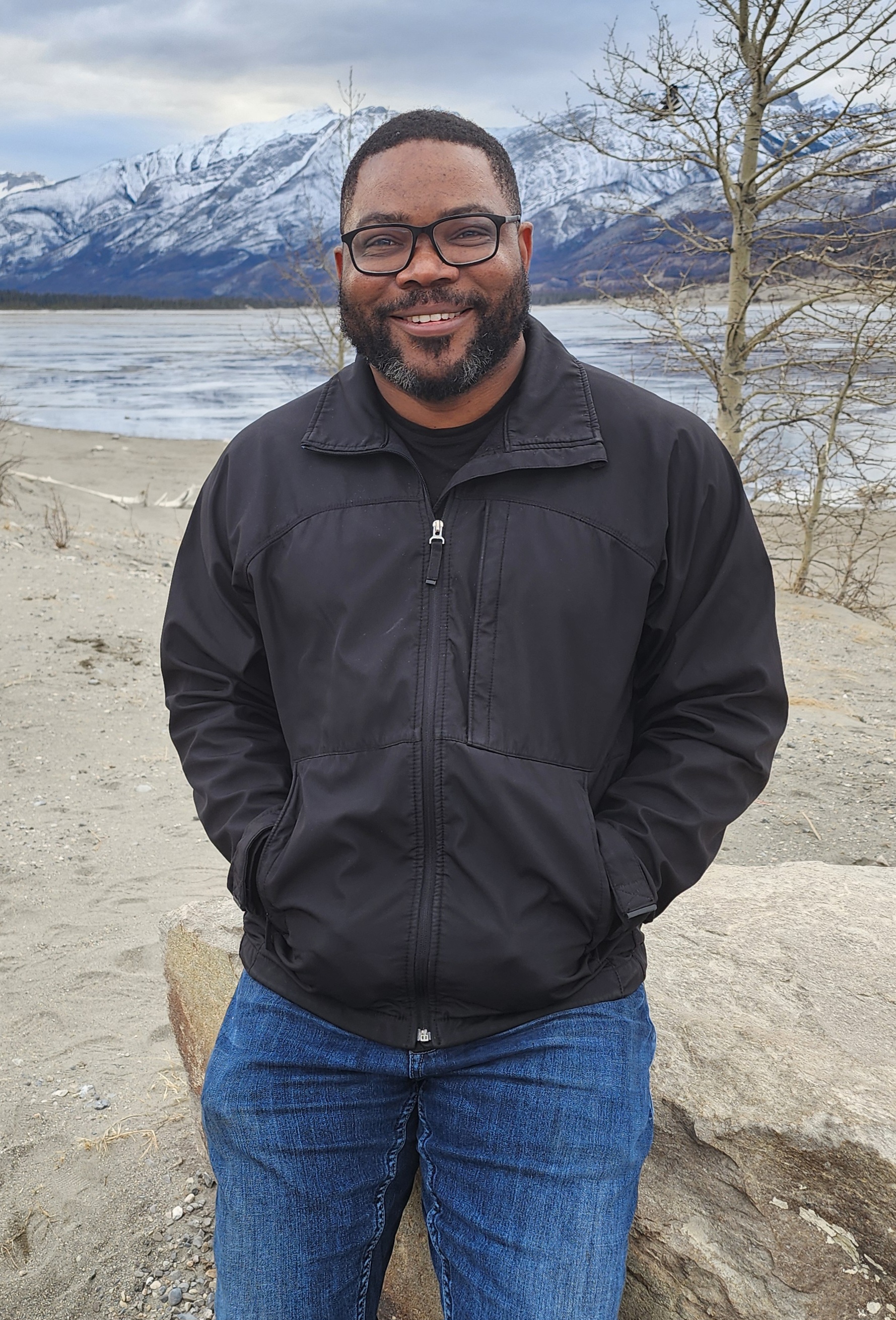
Brian Karisa, PhD
Founder / Livestock Researcher

Dr. Brian Karisa is a veterinary scientist and animal genomics expert with a strong background in research, program leadership, and science management. He holds a Doctor of Veterinary Medicine (DVM), a Master’s degree in Animal Genetics, and a Ph.D. in Animal Science – Genomics. His academic and professional journey has centered around the advancement of livestock productivity and sustainability through cutting-edge genetic and genomic technologies.
Dr. Karisa’s research has focused on the application of genomic tools to enhance economically important traits in beef cattle, particularly feed efficiency and carcass quality. He also has experience integrating metabolomic tools to better understand biological mechanisms underlying these traits, enabling more precise and data-driven approaches to cattle breeding and management.
With over four years of dedicated research experience, Dr. Karisa has authored and contributed to numerous scientific studies in the field of animal genomics. In addition to his research, he brings more than a decade of experience in research and grant management, supporting multi-institutional collaborations and securing funding for large-scale agricultural research programs.
Currently, Dr. Karisa serves as a Program Director, where he leads strategic program development, fosters partnerships, and oversees the implementation of interdisciplinary research initiatives.

Dr. Karisa's keen interest is in bridging science, innovation, and impact within the livestock sector.

Our Philosophy

Every livestock operation is unique, but successful management follows the same fundamental principle: better decisions lead to better outcomes.

That belief is reflected in the Chembe Decision Framework—a practical approach that guides producers through a continuous cycle of
Assess → Plan → Calculate → Monitor → Improve.
When we're conducting research, analyzing data, developing digital tools, and supporting collaborative agricultural programs, our goal remains the same: helping clients make confident, informed decisions that strengthen livestock production today while building resilient agricultural systems for the future.